Publishing a book is no longer limited to traditional publishing houses. Today, authors have more control over their publishing journey than ever before, thanks to the rise of self-publishing platforms and services. However, many aspiring writers still wonder whether self-publishing is worth the investment of time, effort, and money in 2026.
The answer depends on your goals as an author. Self-publishing offers creative freedom, faster publication timelines, higher royalty potential, and complete ownership of your work. At the same time, authors are responsible for editing, design, marketing, and distribution, which can require additional resources and planning.
This guide explores what self-publishing is, whether it’s worth pursuing in 2026, how much it typically costs, and whether you need an ISBN. You’ll also learn about the benefits, challenges, and best practices for publishing your book successfully in today’s competitive market.
What Is Self-Publishing?
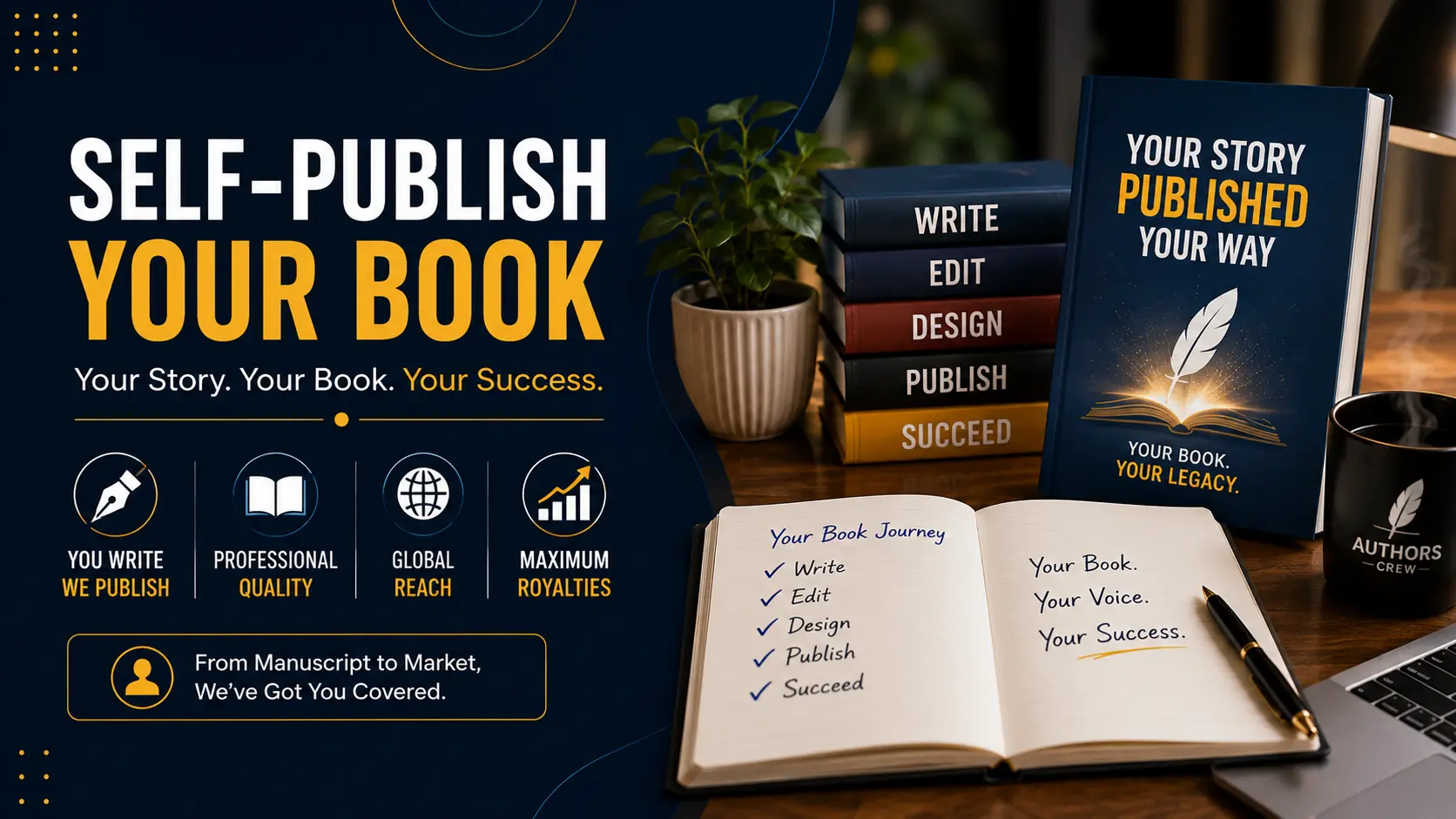
Self-publishing is the process of publishing a book independently without using a traditional publishing company. Authors maintain control over writing, editing, design, distribution, pricing, and marketing while earning a larger share of royalties from book sales.
Key Takeaways
- Self-publishing gives authors complete creative control.
- Publishing timelines are significantly faster than traditional publishing.
- Costs vary depending on editing, design, and marketing needs.
- An ISBN is often recommended but may not always be required.
- Professional publishing support can improve a book’s success.
Is Self-Publishing Worth It in 2026?
Yes, self-publishing is worth it for many authors in 2026, particularly those seeking creative freedom, faster publishing timelines, and higher royalty earnings.
The self-publishing industry continues to grow as digital platforms make it easier for writers to reach global audiences. Authors no longer need approval from traditional publishers to share their work with readers.
Self-publishing is especially valuable for:
- Entrepreneurs building personal brands
- Business leaders establishing authority
- Coaches and consultants sharing expertise
- Fiction writers targeting niche audiences
- First-time authors seeking publishing experience
While success requires effort, many authors find that the flexibility and ownership offered by self-publishing outweigh the challenges.
What Is Self-Publishing and How Does It Work?
Self-publishing allows authors to independently manage the publishing process from manuscript creation to distribution.
A typical self-publishing process includes:
| Step | Description |
| Writing | Complete the manuscript |
| Editing | Improve grammar, structure, and clarity |
| Design | Create professional book covers and layouts |
| ISBN Registration | Obtain publishing identifiers if needed |
| Formatting | Prepare files for print and digital platforms |
| Distribution | Publish through online retailers and marketplaces |
| Marketing | Promote the book to target readers |
Unlike traditional publishing, authors retain full ownership and decision-making authority throughout the process.
How Much Does Self-Publishing Cost?
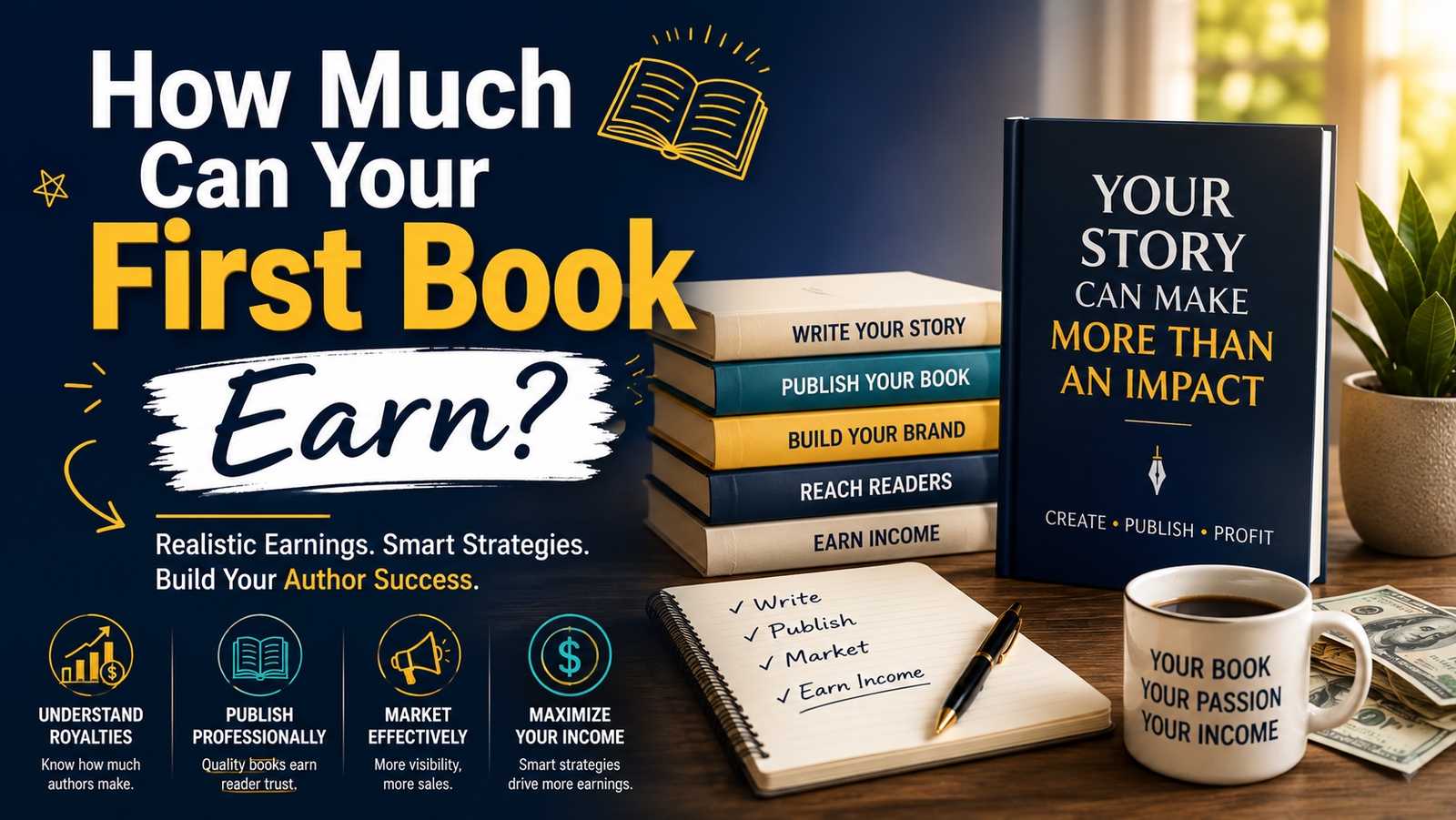
Self-publishing costs can range from a few hundred dollars to several thousand dollars depending on the level of professional support required.
Estimated Self-Publishing Costs
| Service | Estimated Cost |
| Editing | $500–$5,000+ |
| Proofreading | $200–$2,000 |
| Cover Design | $100–$1,500 |
| Interior Formatting | $100–$1,000 |
| ISBN | $0–$125+ |
| Marketing | $100–$10,000+ |
| Publishing Assistance | Varies by provider |
Low-Budget Option
Authors who handle editing, design, and formatting themselves can publish for a relatively small investment.
Professional Publishing Option
Many authors hire professionals to ensure higher-quality results and improve credibility with readers.
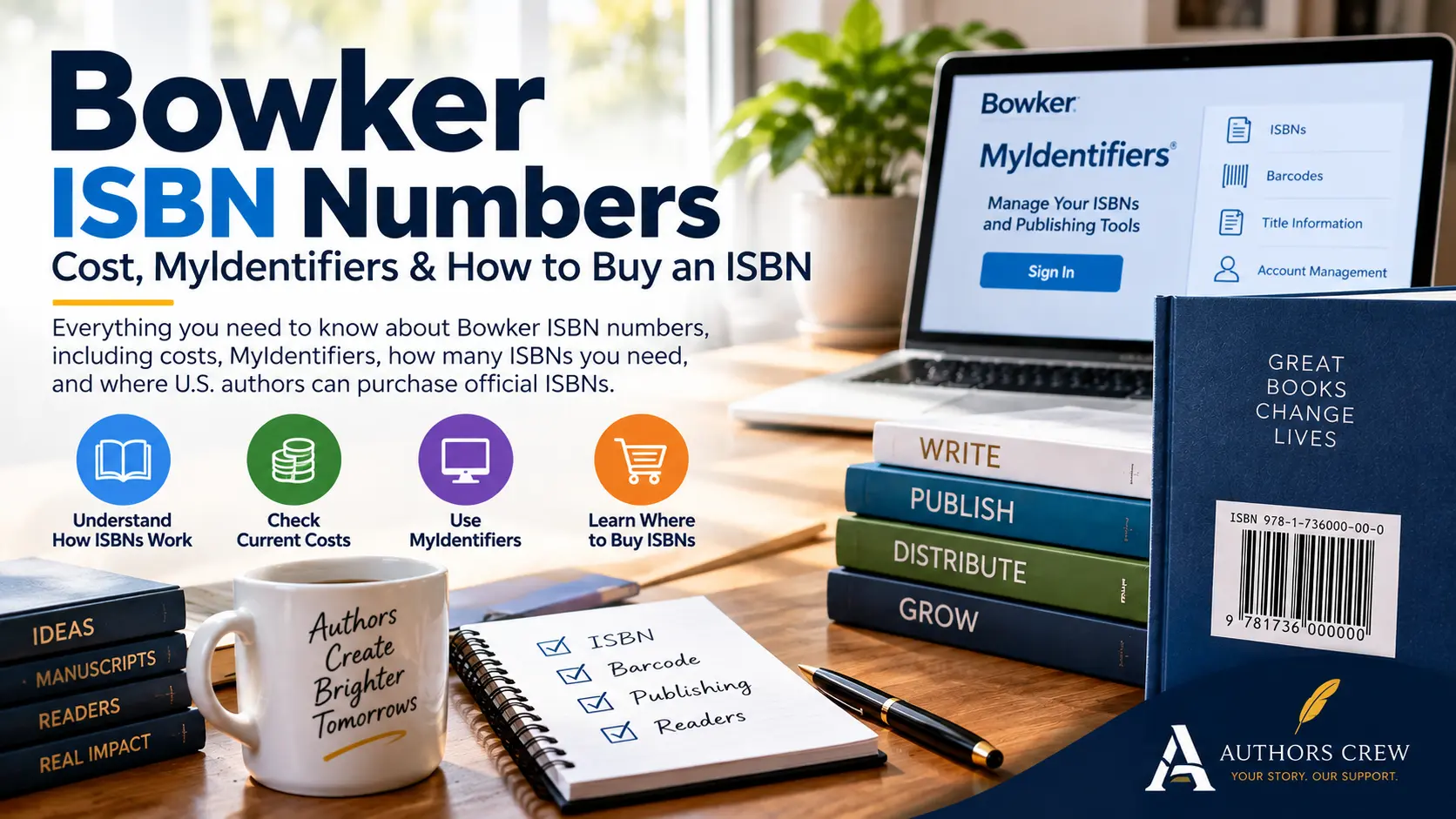
Do I Need an ISBN?
In many cases, having an ISBN is highly recommended because it:
- Makes books easier to distribute globally
- Improves retail availability
- Enhances professional credibility
- Simplifies inventory tracking
- Supports library and bookstore listings
An ISBN (International Standard Book Number) is a unique identifier assigned to books for distribution and sales tracking.
Some publishing platforms provide free ISBNs, while others allow authors to purchase their own for greater publishing control.
If you plan to build a long-term author brand, owning your ISBN is often the preferred choice.
What Are the Benefits of Self-Publishing?
Self-publishing offers several advantages over traditional publishing.
- Complete Creative Control: Authors decide on content, cover design, pricing, and publication schedules.
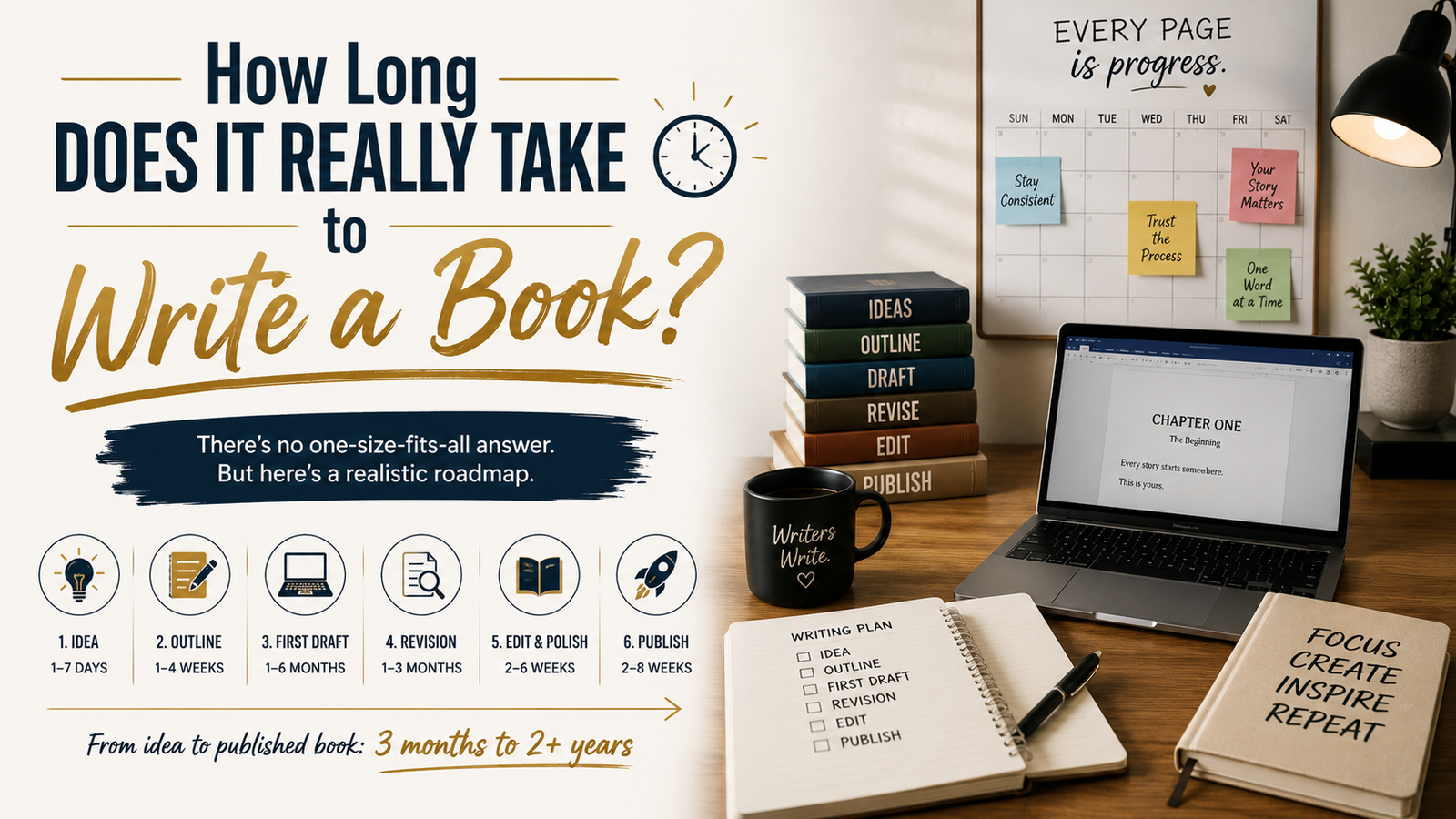
- Faster Time to Market: Books can be published within weeks rather than waiting months or years for traditional publishing approval.
- Higher Royalty Potential: Many self-publishing platforms offer significantly higher royalty percentages compared to traditional publishing contracts.
- Ownership of Rights: Authors maintain control over intellectual property and future publishing opportunities.
- Global Reach: Books can be distributed to readers worldwide through digital and print-on-demand platforms.
What Challenges Should Authors Consider?
While self-publishing offers many benefits, authors should also understand potential challenges.
- Marketing Responsibility: Authors must actively promote their books to attract readers and generate sales.
- Upfront Costs: Professional editing, design, and promotion often require financial investment.
- Increased Competition: Millions of books are published annually, making visibility a challenge.
- Quality Expectations: Readers expect professionally edited and designed books regardless of publishing method.
Planning ahead and working with experienced publishing professionals can help overcome these obstacles.
Who Benefits Most from Self-Publishing?
- Entrepreneurs: Books can generate leads and strengthen authority within an industry.
- Coaches and Consultants: Publishing expertise-based books helps attract clients and establish credibility.
- Business Professionals: Books support personal branding and thought leadership initiatives.
- Fiction Authors: Independent publishing offers greater flexibility and audience targeting.
- First-Time Authors: Self-publishing provides a direct path to becoming a published author.
Looking for Self-Publishing Services?
Successfully self-publishing a book requires more than uploading a manuscript online. Authors Crew helps writers navigate every stage of the publishing process, from manuscript development to professional publishing and marketing support.
Frequently Asked Questions
What is self-publishing?
Self-publishing is the process of independently publishing a book without working with a traditional publishing company. Authors manage the writing, editing, design, distribution, and marketing of their books.
Is self-publishing worth it?
Yes, self-publishing is worth it for many authors because it offers creative control, faster publication timelines, higher royalty potential, and ownership of publishing rights.
How much does self-publishing cost?
Costs vary widely depending on editing, design, formatting, and marketing needs. Authors may spend anywhere from a few hundred dollars to several thousand dollars.
Do I need an ISBN?
While not always mandatory, an ISBN is recommended for professional publishing, broader distribution, and improved credibility within the publishing industry.
Can I self-publish for free?
Some platforms allow free publishing, but professional editing, design, and marketing services often require additional investment.
How long does self-publishing take?
Most authors can complete the self-publishing process within a few weeks to several months, depending on manuscript readiness and production requirements.
Do self-published authors make money?
Many self-published authors earn income through book sales, speaking engagements, consulting opportunities, and personal brand growth. Success often depends on book quality and marketing efforts.
Is self-publishing better than traditional publishing?
Neither option is universally better. Self-publishing offers more control and faster publication, while traditional publishing may provide broader institutional support and distribution.
Final words
The publishing landscape continues to evolve, and self-publishing has become a legitimate and profitable path for authors across industries and genres. Understanding what self-publishing is, how much it costs, and whether you need an ISBN helps you make informed decisions about your publishing journey.
For many writers, self-publishing is worth it because it provides creative freedom, higher earning potential, ownership of intellectual property, and faster access to readers. However, success often depends on producing a high-quality book supported by professional editing, design, and marketing.
If you’re ready to publish your work and build your author brand, investing in the right support can make the process smoother and more successful.
Ready to Self-Publish Your Book?
Authors Crew helps aspiring and experienced authors transform manuscripts into professionally published books through expert writing, editing, design, publishing, and marketing services.
Request a consultation today and take the next step toward becoming a successful published author.